Crop Modification / Chandu's Blog: Genetically Modified Crops (GM Crops) and ... : Genetic engineering and plant transformation have played a crucial role in the production of superior quality crops by introducing foreign genetics and boosting those qualities that are beneficial to us.
Crop Modification / Chandu's Blog: Genetically Modified Crops (GM Crops) and ... : Genetic engineering and plant transformation have played a crucial role in the production of superior quality crops by introducing foreign genetics and boosting those qualities that are beneficial to us.. It can increase mutations in the organisms that consume them. Crop, resize, compress, convert, and more in just a few clicks! Resistance to a herbicide).the second generation of crops aimed to improve the quality, often by altering the nutrient. Crops are modified so that they have new features, known as traits. Crops developed through genetic engineering are commonly known as transgenic crops or genetically modified (gm) crops.
In egypt, genetic crop modification is on hold. An agricultural researcher at assiut university (photo by: To produce a gm plant, new dna is transferred into plant cells. Most of the foods we eat today were. The genetic modifications are done in order to.
Crop Biotechnology: Genetic Modification And Genome ... from prodimage.images-bn.com This has been done indirectly for thousands of years by controlled, or selective, breeding of plants and animals. Questions and answers gm is a technology that involves inserting dna into the genome of an organism. Another widely accepted crop modification is the introduction of genes that confer resistance to herbicides. Crops developed through genetic engineering are commonly known as transgenic crops or genetically modified (gm) crops. Genetically engineered versions of 19 plant species have been approved, only eight gm crop species are growncommercially (figure 1). Most current gm crops have been engineered for resistance to insects, tolerance to herbicides (weed control products) or both. Farmers have intentionally changed the genetic makeup of all the crops they have grown and the livestock they have raised since domestic agriculture began 10,000 years ago. In india genetically modified crops are regulated by ministry of environment and forest.
Crop modification techniques to help educate people about the many methods that are used to generate new traits in plants, biology fortified has created an infographic on six different crop modification techniques, with examples of crops generated with each method.
Most of the foods we eat today were. Field climate refers to the microclimate of the soil and that of the crop plants. In egypt, genetic crop modification is on hold. But the safety aspect is looked by statutory bodies of three committees. Resistance to herbicide genes can be transferred to weeds. The genetic modifications are done in order to. Using genetic interference to study the function of m 6 a resulted in changes in the overall level of m 6 a modification in plants and produced unpredictable effects. Every fruit, vegetable and grain that is commercially available today has a history of genetic modification by human hands, including organic and heirloom seeds. There is indeed a need for crop modification because: Gm crops were first introduced in the u.s. An agricultural researcher at assiut university (photo by: Crops are modified so that they have new features, known as traits. Genetic modification (gm) technology allows the transfer of genes for specific traits between species using laboratory techniques.
Current developments in biotechnology and bioengineering: Crops are modified so that they have new features, known as traits. There is indeed a need for crop modification because: These changes, along with natural evolutionary changes, have resulted in common food species that are now genetically different from their ancestors. This has been done indirectly for thousands of years by controlled, or selective, breeding of plants and animals.
FrankenFoodFacts: Gene editing and GMOs from 2.bp.blogspot.com There is indeed a need for crop modification because: In a laboratory a corn plant is transformed with this new modified cry 1ab gene which will provide the corn plant with insecticidal protection. Genetic engineering appraisal committee (gmac) it is constituted under the rule of the manufacture use, export/import and storage of hazardous microorganisms or cells,1989. Usually, the cells are then grown in tissue culture where they develop into plants. For example, genetic modification allows us to remove the seeds from certain fruits and … Crop, resize, compress, convert, and more in just a few clicks! Our understanding of dwarfing genes illustrates an important point. In egypt, genetic crop modification is on hold.
Genetic modification (gm) technology allows the transfer of genes for specific traits between species using laboratory techniques.
But the safety aspect is looked by statutory bodies of three committees. To help educate people about the many methods that are used to generate new traits in plants, biology fortified has created an infographic on six different crop modification techniques, with examples of crops generated with each method. Crops are modified so that they have new features, known as traits. Starch obtained from genetically modified plants will be more difficult to digest. Genetic modification (gm) technology allows the transfer of genes for specific traits between species using laboratory techniques. Using genetic interference to study the function of m 6 a resulted in changes in the overall level of m 6 a modification in plants and produced unpredictable effects. The concept of genetic modification in crops is not something new. Most current gm crops have been engineered for resistance to insects, tolerance to herbicides (weed control products) or both. Genetically modified crops (gm crops) are genetically modified plants that are used in agriculture.the first crops developed were used for animal or human food and provide resistance to certain pests, diseases, environmental conditions, spoilage or chemical treatments (e.g. This has been done indirectly for thousands of years by controlled, or selective, breeding of plants and animals. Farmers have intentionally changed the genetic makeup of all the crops they have grown and the livestock they have raised since domestic agriculture began 10,000 years ago. Gm crops were first introduced in the u.s. Scroll to the bottom of this page for download options.
Most current gm crops have been engineered for resistance to insects, tolerance to herbicides (weed control products) or both. Modification to produce desired traits in plants, animals, and microbes used for food began about 10,000 years ago. In india genetically modified crops are regulated by ministry of environment and forest. In egypt, genetic crop modification is on hold. Questions and answers gm is a technology that involves inserting dna into the genome of an organism.
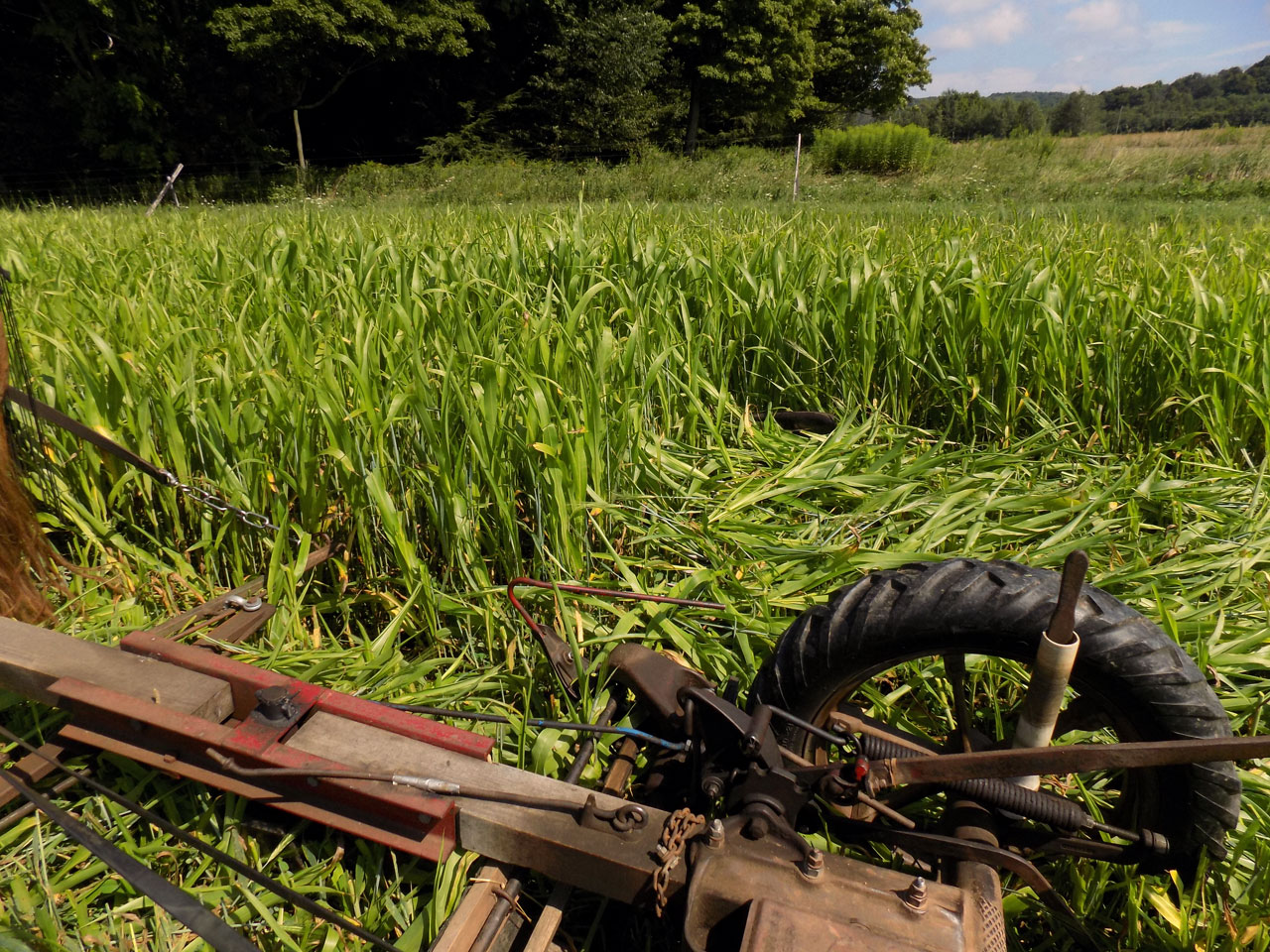
Mower Modifications for Cover Crop Cocktails - Small ... from smallfarmersjournal.com There are many industries stand to benefit from additional crop modification (gmo) research which would aid valuable proteins, fertilizers and other beneficial for the crops of these industries who supported. But the safety aspect is looked by statutory bodies of three committees. To produce a gm plant, new dna is transferred into plant cells. Genetically modified crops (gm crops) are plants used in agriculture, the dna of which has been modified using genetic engineering methods. Which is a possible risk associated with a genetic modification of crops? Genetically modified crops (gm crops) are genetically modified plants that are used in agriculture.the first crops developed were used for animal or human food and provide resistance to certain pests, diseases, environmental conditions, spoilage or chemical treatments (e.g. Questions and answers gm is a technology that involves inserting dna into the genome of an organism. Genetic engineering and plant transformation have played a crucial role in the production of superior quality crops by introducing foreign genetics and boosting those qualities that are beneficial to us.
Most of the foods we eat today were.
Traditional crop modification traditional methods of modifying plants, like selective breeding and crossbreeding, have been around for nearly 10,000 years. Crops are modified so that they have new features, known as traits. Every fruit, vegetable and grain that is commercially available today has a history of genetic modification by human hands, including organic and heirloom seeds. The microclimate of the bare soil is different from that of the vegetative surface. Crops developed through genetic engineering are commonly known as transgenic crops or genetically modified (gm) crops. It is possible to introduce exactly the same characteristic into a crop by conventional breeding or by gm methods. To help educate people about the many methods that are used to generate new traits in plants, biology fortified has created an infographic on six different crop modification techniques, with examples of crops generated with each method. An agricultural researcher at assiut university (photo by: Starch obtained from genetically modified plants will be more difficult to digest. There are no gm crops modified in this way currently being grown commercially, but there have been proof of principle studies in rice. This has been done indirectly for thousands of years by controlled, or selective, breeding of plants and animals. Modification to produce desired traits in plants, animals, and microbes used for food began about 10,000 years ago. First, the peak or optimal nutrition for human health and development is well.